
 Google AI
 ChatGPT
 Perplexity
Imagine this: You’re a hard-working Muslim in the USA, you’ve got a stable job, you’re saving money, and you’re planning for a secure future. You watch friends and colleagues build wealth through $401(k)$s, mutual funds, and traditional home mortgages. Yet, a silent, spiritual hurdle holds you back. You know that Riba (interest) is forbidden in Islam, and traditional investment products are full of it. You feel your wealth growth is limited, not by your effort, but by your faith.
This isn’t just a financial challenge; it’s a spiritual one. The reality is that the vast majority of everyday US financial products, from your employer’s retirement plan to that potential home loan, are built on interest. You desperately want to save for retirement, buy a house, or invest wisely, but you need a truly Halal path. The dilemma feels impossible: financial growth or spiritual peace.
It’s time to stop choosing. This comprehensive guide helps you build wealth without compromising your beliefs. We’ll break down the practical steps and products that align your finances with Shariah compliant investing, proving you can have both financial security and spiritual peace.
What Makes an Investment Shariah Compliant?
Understanding Shariah compliance doesn’t require a finance degree. It boils down to a clear set of ethical and financial rules designed to promote fairness and stability. A Shariah-compliant investment adheres to these core principles of Islamic finance.
The Core Rules: A Simple Breakdown of Islamic Finance Principles
Islamic finance is built on the belief that real wealth is generated through tangible effort and shared risk, not simply by “renting out” money. The principles are straightforward:
Riba (Interest) is Prohibited: This is the foundation. Riba refers to any predetermined, fixed return or excess charge on a loan or debt. Money should not be “rented” in exchange for a guaranteed, fixed return. Instead, returns must be tied to the performance of a tangible asset or business.
Gharar (Excessive Uncertainty/Speculation) is Prohibited: This principle prohibits transactions involving excessive risk or ambiguity. It creates an explicit ban on gambling, derivatives, short-selling, and contracts with excessively unclear terms, ensuring transactions are transparent and fair.
Haram (Forbidden) Industries are Excluded: This is an ethical screen. Investments must avoid businesses whose primary activities involve things considered forbidden (Haram) in Islam, such as:
- Alcohol
- Pork
- Gambling
- Pornography/Adult Entertainment
- Conventional Banking, Insurance, or Interest-Based Finance
How the Shariah Screening Process Works
For an investment, like a stock or a mutual fund, to be certified Halal, it must pass a rigorous two-part screening process overseen by a panel of scholars. This is how you ensure an investment is genuinely Shariah-compliant.
Qualitative Screen (The Business Check)
This screen checks the core business activities of the company. The key question is: Is the company’s primary source of revenue Halal? Suppose the business earns less than a certain threshold (usually 5%) of its revenue from forbidden activities (like those listed above). In that case, it may still be considered compliant. This accounts for large, diversified companies that might have minor, non-compliant income streams.
Quantitative Screen (The Financial Check)
This screen uses simple financial ratios to ensure the company isn’t overly reliant on interest-based debt or non-compliant income, even if its main business is Halal. The most common thresholds are:
| Ratio | Threshold (Maximum) | Purpose |
| Debt to Assets | 33% | Ensures the company’s interest-bearing debt is low relative to its total assets. |
| Cash/Interest-Bearing Securities to Assets | 33% | Ensures the company doesn’t hold excessive interest-earning cash or investments. |
| Interest/Non-Compliant Income to Revenue | 5% | Ensures non-Halal income (like bank interest on cash reserves) is minimal. |
The Role of the Shariah Board
The Shariah Board (or Supervisory Board) is the non-negotiable guarantor of compliance. It consists of recognized Islamic scholars who specialize in Islamic law and finance.
- They review and approve the methodology, structure, and ongoing compliance of the investment product (stock, fund, etc.).
- Their certification confirms the investment adheres to recognized industry standards.
- For an investor, the Shariah Board’s approval is the ultimate stamp of trust and peace of mind. Without it, the investment is just a claim, not a certified Halal product.
The New Ethical Landscape: Ethical vs. Shariah Compliant Investing
As more investors prioritize values, new investment styles have emerged. It’s crucial to understand that while Ethical investing and Shariah Compliant investing share the goal of responsible wealth building, they are not the same. Shariah compliance is a distinct, faith-based standard that goes beyond general social responsibility.
Key Differences: More Than Just “Socially Responsible”
The main difference lies in the breadth and strictness of the rules, particularly concerning interest (Riba).
Ethical/ESG (Environmental, Social, and Governance) funds focus on corporate behavior. They reward environmentally friendly companies, treat their workers well, and have good leadership. An ESG fund might avoid an oil company. However, it could still heavily invest in a conventional bank, insurance company, or any business with excessive interest-based debt, all of which would violate Shariah principles.
Shariah compliant investing begins with ethical screening and then incorporates mandatory financial compliance. It is a tighter, faith-based standard that uses the financial ratios (Debt, Cash, and Non-Halal income screens) to ensure the company’s economic structure is also compliant, not just its core business.
Why Shariah Compliance Offers a Unique Double Safeguard
Shariah compliant investing is arguably the most holistic approach to value investing because it provides protection on two fronts:
| Investment Type | Primary Focus | Mandatory Financial Rule | Example Screening Criteria |
| Ethical/ESG Investing | Environmental, Social, and Governance factors. | No mandatory financial rules (can still hold interest-heavy companies). | Investing in green energy, avoiding companies with poor labor practices, and promoting diversity. |
| Shariah Compliant Investing | Ethical screening plus mandatory financial purification. | Strict prohibition of Riba (interest). | Must exclude alcohol/gambling, AND must pass debt/cash ratio limits (e.g., Debt-to-Assets below 33%). |
- Safeguarding Spiritual Commitments (Avoiding Prohibited Activities): The primary ethical screen ensures your capital is not funding industries forbidden (Haram) by your faith (alcohol, gambling, pornography, etc.). This provides peace of mind and alignment with Islamic teachings.
- Safeguarding Capital (Avoiding Excessive Risk/Debt): The mandatory financial screens, specifically the caps on debt and interest-earning assets, act as a built-in risk-management tool. Companies with low debt exposure are often more financially stable and less vulnerable to economic downturns and rising interest rates. In essence, Shariah compliance requires investing in financially robust companies.
Taking the First Step: How to Start Shariah Compliant Investing
Starting your Halal investment journey today is easier than ever, thanks to the growth of specialized financial products in the USA. You don’t need to manually screen hundreds of stocks; you just need to know where to look.
Your Starting Toolkit: Stocks, Funds, and Halal Real Estate
Your primary tools for wealth building, stocks, diversified funds, and tangible assets are all available through a compliant lens.
1. Stocks: The Shariah-Compliant Halal Stocks List
If you prefer to buy individual company shares, you must confirm that each one has passed the Shariah screening process.
- The Index is Your Guide: You can rely on specialized financial indexes that have already done the screening work for you. The most respected example is the Dow Jones Islamic Market Index (DJIM), which lists thousands of global equities that comply with both the ethical and quantitative screens.
- Screener Tools: Technology has made this simple. Use Shariah stock screening apps (like Zoya or Musaffa) that connect to AAOIFI (Accounting and Auditing Organization for Islamic Financial Institutions) standards to check the Halal status of virtually any publicly traded US stock in seconds.
2. Funds (ETFs/Mutual Funds): Diversification Made Halal
This is often the easiest and most recommended starting point for the everyday investor, as it provides instant diversification.
Shariah Compliant ETFs (Exchange-Traded Funds): ETFs trade like a stock but hold a basket of compliant stocks, mirroring a specific Shariah index. Popular USA-based options include:
- HLAL (Wahed FTSE USA Shariah ETF): Focuses on U.S. large and mid-cap companies.
- SPUS (SP Funds S&P 500 Sharia Industry Exclusions ETF): A compliant take on the S&P 500.
- SPSK (SP Funds Dow Jones Global Sukuk ETF): A compliant alternative to interest-based bonds (Sukuk are Islamic financial certificates).
Mutual Funds: Firms like Amana Funds and Azzad Funds have a long history in the US, offering professionally managed portfolios that strictly adhere to Shariah compliance guidelines.
3. Digital Solutions: The Rise of Shariah Compliant Robo-Advisors
For those seeking an entirely hands-off, automated approach to investing, robo-advisors offer the perfect solution.
- Automated Investing: Shariah-compliant robo-advisors build, manage, and rebalance your portfolio automatically using only Halal ETFs and stocks.
- Seamless Compliance: They provide a simple questionnaire to determine your risk tolerance and automatically place you in a globally diversified, Shariah-compliant portfolio. Wahed and ShariaPortfolio are examples of dedicated platforms offering these services in the US.
The path to aligning your wealth with your faith is clear, thanks to this growing ecosystem of dedicated and certified Halal investment tools.
Beyond Stocks: Shariah Compliant Real Estate Investing
While stocks and funds offer liquidity, many Muslim investors find a deeper level of comfort and compliance in real estate. Real estate transactions can be structured to be naturally compliant, offering both stability and ethical peace.
Why Real Estate is Naturally Shariah-Friendly
Real estate investing is inherently compatible with Islamic finance principles because its value is tied to tangible, valuable assets.
- Tangible Assets: The value of the investment is based on a real asset (land, building, or property), not just debt, interest, or paper promises. This aligns with the principle that wealth must be generated from real, productive economic activity.
- Partnership Focus: Halal real estate structures move away from prohibited interest (Riba) and instead focus on models that rely on profit-and-loss sharing. The fundamental relationship is one of partnership (Musharakah or Mudarabah), where all parties share the risk and the reward generated by the asset.
Halalvest Real Estate LLC’s Advantage: Finding Value Below Market
Halalvest Real Estate LLC offers a unique edge in the Halal investment space by focusing on proprietary deal sourcing and acquisition strategies that target high-value properties that are inaccessible to the general public.
- Acquisition at Deep Discounts: We leverage advanced due diligence to identify and acquire properties often through foreclosures, auctions, or distress sales at below market value. This aggressive pricing strategy is the cornerstone of generating superior Halal returns.
- Proprietary Deal Flow: Our extensive + Traditional Broker/Loan Officer (LO) network acts as a proprietary, non-public channel. These professional relationships give Halalvest access to off-market and pre-market deals before they are listed on public exchanges, a crucial strategy for maximizing returns and minimizing competition.
A Look at Compliant Investment Structures (Our 12 Models)
Halal real estate transactions use specific contracts to replace interest-based debt with permissible mechanisms. The following five structures are standard models we employ, demonstrating how different goals can be met compliantly:
- Partnership: Hybrid Musharakah + Mudarabah (Residential Fix & Flip). This model focuses on shared risk/reward. Halalvest (as the manager/investor, Mudarib) and the client (as the capital provider, Rabb-ul-Mal) jointly fund a project, sharing the net profit or loss according to a pre-agreed ratio.
- Leasing: Ijara – Option to Buy (Medical Office Space). This structure involves a Halal rent structure. The investor buys the property and then leases it to the tenant. The payments are rental only, and the tenant has the option, but not the obligation, to purchase the property later, separating the rent and the sale.
- Acquisition/Resale: Hybrid Murabaha + Mudarabah (Retail Building Purchase). This is a cost-plus-profit sale. Halalvest buys the asset outright and immediately sells it to the client at a pre-agreed markup. This allows for clear, non-interest-based financing.
- Development: Hybrid Istisna + Murabaha (Suburban Duplex Build). This structure focuses on manufacturing/building a desired asset. An agreement (Istisna) is made to construct the property according to specifications, and the financing for the final sale uses the Murabaha cost-plus model.
- REITs: REIT + Musharakah (Mixed-Use Multifamily REIT). This makes institutional-grade real estate accessible. Investors own shares in a trust that holds a portfolio of compliant properties, generating income from Halal rents and appreciating assets, thus sharing in the collective risk/reward.
Planning Your Financial Future the Halal Way
Building a Halal financial future means taking control of your retirement vehicles and ensuring your wealth creation actively benefits society. You don’t have to compromise faith for financial security.
Retirement with Peace of Mind: Halal 401 (k) and IRA Alternatives
The biggest retirement challenge for a Muslim professional in the US is the non-compliant nature of most employer-sponsored 401(k) plans, which often default to interest-based funds. Fortunately, there are powerful alternatives that give you control.
Addressing the 401 (k) Concern: If your employer’s 401(k) plan lacks Shariah-compliant fund options, you generally have two choices:
- Selectively Invest: Check if the plan offers a Self-Directed Brokerage Account (SDBA), which allows you to personally choose Halal ETFs (like HALAL or SPUS) within the plan.
- Maximize the Match, Then Divert: Contribute only enough to receive the full employer match (essentially “free money”) and then invest your remaining retirement savings through an independent, compliant account.
The Power of Self-Directed IRAs (SDIRAs): A Self-Directed IRA (SDIRA) is the ultimate tool for Halal retirement planning. Unlike traditional IRAs, an SDIRA allows you to invest in a vast range of alternative assets beyond publicly traded stocks and mutual funds, all while maintaining the tax advantages of a retirement account.
- Real Estate Investing with Halalvest: With an SDIRA, you can fund your retirement investments into tangible, Shariah-compliant real estate deals with providers like Halalvest. The SDIRA acts as the capital provider in a compliant partnership (Musharakah), ensuring that your retirement growth is based on real profit from tangible assets, not Riba.
Investing with a Purpose: The Power of Impact Investing
Shariah compliant investing is inherently a form of impact investing, designed not only to generate returns but also to ensure a positive societal outcome.
- Shariah Compliance has an Ethical Impact: By strictly avoiding forbidden industries (Haram), such as gambling, alcohol, and conventional finance (which relies on interest-based debt), Shariah investors automatically direct capital away from destructive or exploitative ventures. This negative screening aligns perfectly with core ethical and social impact goals.
- Building Compliant Communities: Halal investing goes further by actively supporting beneficial industries (healthcare, technology, sustainable real estate). When Shariah-compliant capital is invested in property, it often directly supports the construction of stable, community-focused assets, rather than speculative or high-debt projects.
- Halalvest’s Commitment to Community Development: Providers like Halalvest integrate this concept by channeling funds into real estate opportunities such as essential retail or residential properties that actively contribute to the stability and economic well-being of local communities. By funding tangible projects, your investment becomes a source of both personal growth and social good.
Addressing the Skeptics: Disadvantages of Shariah Compliant Investing (and Why They Are Weak)
It’s natural to feel wary when choosing an investment path less traveled. Skeptics often cite two main drawbacks to Shariah compliant investing. Still, a closer look at the facts reveals that these arguments are usually outdated or simply incorrect.
The Myth: Limited Options
The traditional critique argues that Shariah screening significantly reduces the universe of investable companies, making it difficult to diversify or find products.
The Reality: A Rapidly Growing Market
This claim is mainly historical. Today, the Islamic finance sector is massive and globally integrated. The market constantly releases new funds, ETFs (Exchange-Traded Funds), and specialized real estate opportunities every year.
- You can access compliant versions of major US indexes (like the S&P 500) and obtain global diversification through various Halal ETFs and robo-advisors.
- Specialized platforms and Shariah-compliant real estate structures (like those offered by Halalvest) now provide access to unique private equity and property deals that conventional investors often miss.
The universe of acceptable investments may be smaller than the conventional market. Still, it is more than sufficient to build a robust, globally diversified portfolio.
The Myth: Lower Returns
The most persistent fear among investors is that prioritizing ethics over profit inevitably leads to a financial penalty.
The Reality: Competitive, Often Superior, Performance
Shariah-compliant portfolios frequently show competitive, and sometimes superior, performance when compared to their conventional counterparts over the long term. This isn’t luck; it’s a structural advantage:
- Inherent Stability: The mandatory quantitative screens enforce discipline, rejecting companies with high debt, excessive leverage, or reliance on volatile interest income. This focus on strong balance sheets and low speculation makes the portfolio inherently more stable and resilient during economic downturns.
- Focus on Tangible Assets: By prioritizing investments tied to real economic activity and tangible assets (like property or manufacturing), Shariah investing avoids the risk of bubbles inflated purely by financial engineering or debt.
Investors don’t have to choose between their faith and their financial goals. The required due diligence of Shariah screening is a powerful form of risk mitigation that can lead to more substantial, more stable returns.
Ready to Build Your Compliant Portfolio? Halalvest is Your Partner
You now understand that building wealth the Halal way isn’t a limitation, but a superior strategy grounded in tangible assets and stability. The challenge isn’t finding compliant investment options; it’s finding the right partner to execute them effectively. Halalvest is here to bridge that gap.
Why 1000+ Professionals Trust Our Platform
Halalvest is explicitly designed for the professional Muslim investor seeking institutional-grade returns while maintaining complete spiritual peace.
- Experience & Expertise: Our foundation is built on a rare combination of specialized knowledge. We possess deep expertise across real estate acquisition, Islamic finance, traditional mortgage & private lending systems, property development, and rigorous underwriting. This comprehensive background enables us to structure highly profitable, Shariah-compliant deals.
- Security & Compliance: Every single deal is professionally managed and vetted by an independent Shariah board. You get the double benefit of professional asset management and certified compliance, ensuring you save both capital and spiritual commitments.
Your Path to Shariah Compliant Real Estate (A Simple Roadmap)
We’ve streamlined the process of Halal real estate investing into four clear, stress-free steps, putting the complex work on our shoulders:
Step 1 (Consultation): Connect with a Halalvest specialist to discuss your financial goals, risk profile, and investment timelines. We take the time to truly understand your needs. Step 2 (The Model): We match your goals with the best-fit compliant model from our 12 structured options, whether it’s a Musharakah (partnership) for development or an Ijara (leasing) structure for commercial income. Step 3 (Acquisition): We leverage our proprietary broker network to efficiently acquire high-value assets 20%–50% below market value. Your capital is immediately deployed into a tangible asset with built-in value. Step 4 (Profits): You relax and enjoy professionally managed, compliant, and passive returns as the property generates Halal rental income or capital appreciation.
Take the Next Step Today!
Don’t wait another day to align your wealth with your faith. Take control of your financial journey and explore the security of asset-backed, compliant investments.
Schedule a free, non-binding consultation with a Halalvest Real Estate LLC specialist today!
We are actively serving the USA market and ready to discuss how you can convert your savings, 401(k) rollovers, or Self-Directed IRAs into powerful, Halal real estate investments.
Conclusion
Shariah compliant investing is no longer a niche compromise. It’s a more intelligent, more ethical, and potentially more stable path to financial success. You don’t have to sacrifice your faith for economic security, especially with the growing landscape of Halal stocks, ETFs, and specialized real estate opportunities. By avoiding interest-based debt and excessive speculation, you align your wealth with principles that encourage resilience and real economic activity. This disciplined approach eliminates the spiritual burden while building a solid financial future. It’s time to move past the myths and take action. Invest with confidence. Invest with Halalvest Real Estate LLC.
FAQs
1. What is Sukuk, and is it truly a Halal alternative to interest-bearing bonds?
Sukuk are Shariah-compliant financial certificates often called “Islamic bonds,” but they differ fundamentally. While a conventional bond represents a debt obligation where the holder earns guaranteed interest (Riba), a Sukuk represents partial ownership in a tangible asset (like a property or a project) or a business venture. Sukuk holders earn a return from the profit or rent generated by that underlying asset, adhering to the principle of profit-and-loss sharing. They are generally considered Halal because they are asset-backed and avoid Riba.
2. Is ‘Purification’ required for Halal investments, and how is it calculated?
Yes, Purification is often required. Even Shariah-compliant stocks may generate a minimal amount of prohibited income (like interest on a company’s cash reserves). This income, usually capped at 5% of revenue, is considered impure.
- Calculation: The purification amount (or “cleansing amount”) is typically calculated by taking the percentage of the company’s non-compliant revenue and applying that same percentage to the dividends you receive. This small amount must then be donated to charity (not used for personal benefit) to purify the earnings.
3. Can I use a conventional mortgage if no Halal financing options are available, and can I “purify” the interest?
Generally, no. Islamic scholars widely agree that taking out a conventional, interest-bearing mortgage is prohibited (Haram) because Islam forbids both paying and receiving interest (Riba). Unlike purifying a small amount of non-compliant income from a stock, the entire structure of a conventional mortgage is Riba-based. The act of entering the Riba contract itself is the violation, and simply donating the interest amount to charity does not render the underlying transaction Halal. It is critical to pursue Shariah-compliant financing alternatives like Diminishing Musharakah or Ijara models.
4. What are the best Halal investment options for low-income or beginning investors in the USA?
The best options for beginner investors with smaller amounts of capital are Shariah-compliant Exchange-Traded Funds (ETFs) and Robo-advisors.
- Halal ETFs (e.g., HLAL, SPUS): These trade like single stocks but provide instant diversification across hundreds of Halal companies with low minimum investment requirements (just the price of one share).
- Robo-Advisors (e.g., Wahed): These platforms build and manage globally diversified Halal portfolios for you, often requiring a very low minimum initial deposit (sometimes as low as $100) and charging minimal management fees.
5. How can I determine if the Mutual Funds offered in my employer’s 401 (k) are Shariah-compliant?
Since most 401(k) plans do not explicitly label funds as Halal, you must perform due diligence:
- Request the Fund List: Get a list of the mutual funds offered in your 401(k) plan from your HR department or plan administrator.
- Use Halal Screening Tools: Utilize a dedicated online Shariah stock screener (such as Zoya or Musaffa) and enter the ticker symbols of the funds. The screener will check the fund’s underlying holdings against the core Halal criteria (business type and financial ratios).
Look for SDBA: If your plan doesn’t offer compliant funds, ask if it provides a Self-Directed Brokerage Account (SDBA), which allows you to personally purchase Halal ETFs and funds within your 401(k).
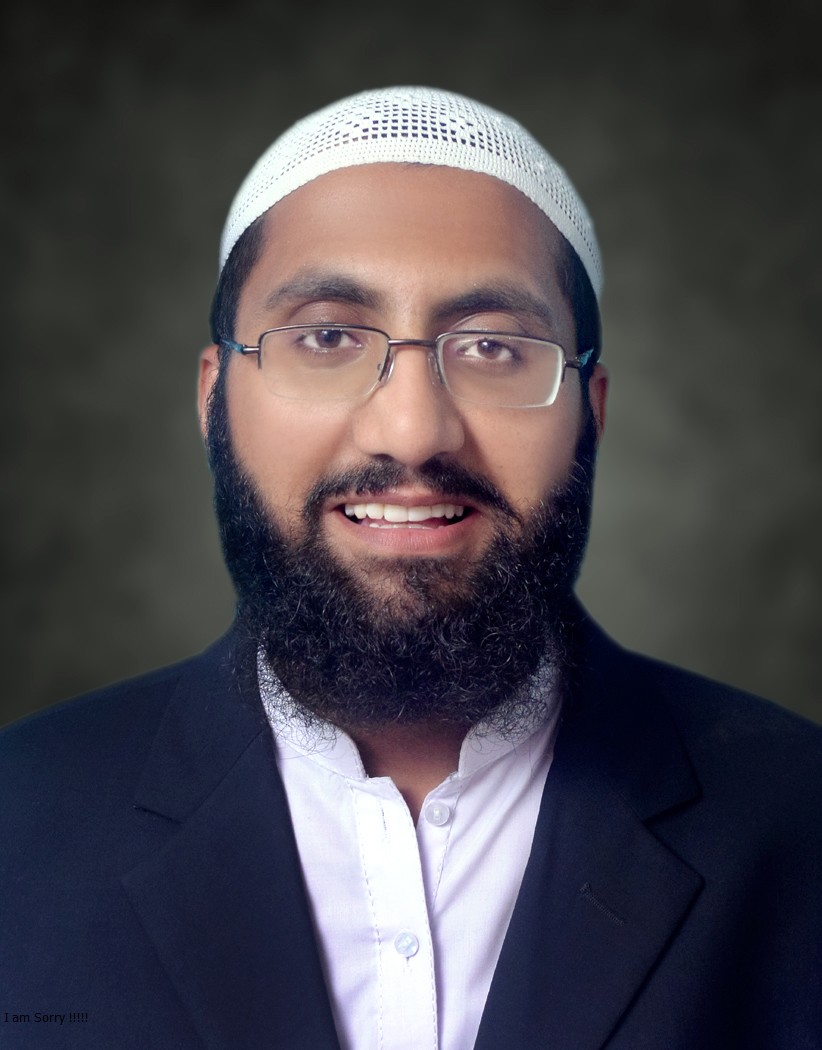
About the Editor
Mufti Qari Muhammad Jehangir TareenMufti Qari Muhammad Jehangir Tareen is a respected Islamic scholar specializing in Shariah compliance, Islamic finance, and the application of classical jurisprudence to modern investment structures. He has extensive experience reviewing real estate investment models and educational content to ensure alignment with Islamic principles. His work emphasizes the avoidance of riba, excessive gharar, and maysir, while promoting asset-backed, transparent, and ethical risk-sharing frameworks. Mufti Jehangir is well-versed in Shariah-compliant structures such as Musharakah, Mudarabah, Murabaha, Ijara, and Istisna. His reviews focus on proper contractual execution and clear communication to avoid any implication of guaranteed returns. And Allah knows best.